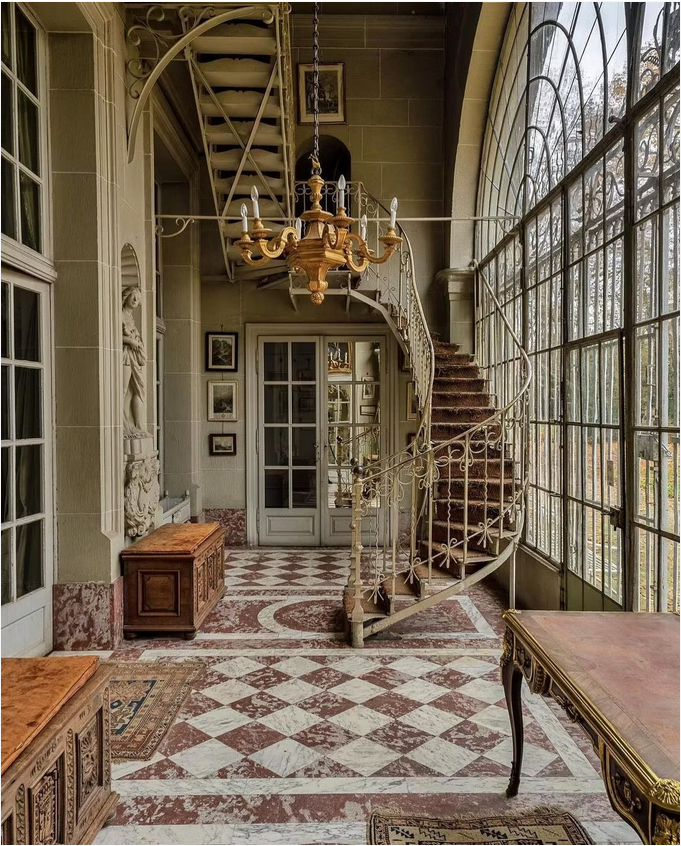

At some point, we collectively decided to live inside Apple Stores.
White walls. Echoes. One chair. One plant fighting for its life. LED lighting so bright you feel like you're being interviewed.
We called it calm. It's not calm. It's a sensory deprivation chamber with throw pillows.
Cold spaces don't relax the nervous system. They keep it alert. When a room gives you nothing to look at, touch, or emotionally attach to, your brain stays on. Like it's waiting for instructions. Or danger.
Minimalism promised peace.
What it delivered was emptiness with good branding.
We stripped rooms down in the name of intentional living and somehow ended up living inside places that feel like a Zoom background. Neutral. Replaceable.
The human brain did not evolve in beige rectangles. It evolved around texture, depth, shadow, warmth. Wood. Stone. Fabric.
Blankness doesn't calm us. It makes us restless. It makes us fidget. It makes us buy another candle we don't even like just to feel something.
And here's the part no one says out loud.
Cold spaces create disposable thinking. When nothing around you feels valuable, everything starts to feel temporary.
You can see it in the slow return of rugs, layers, color, art, wood, things with weight. In the craving for spaces that feel like they've lived a life.
Old-world spaces understood something modern design forgot.
Beauty isn't decoration. It's regulation. It gives the brain somewhere to land. Somewhere to linger. Somewhere to stop scanning.
Cold spaces don't last because no one bonds with them. Warm, layered spaces do. They hold memory. They hold presence. They hold people.
CONTINUE READING
All Articles →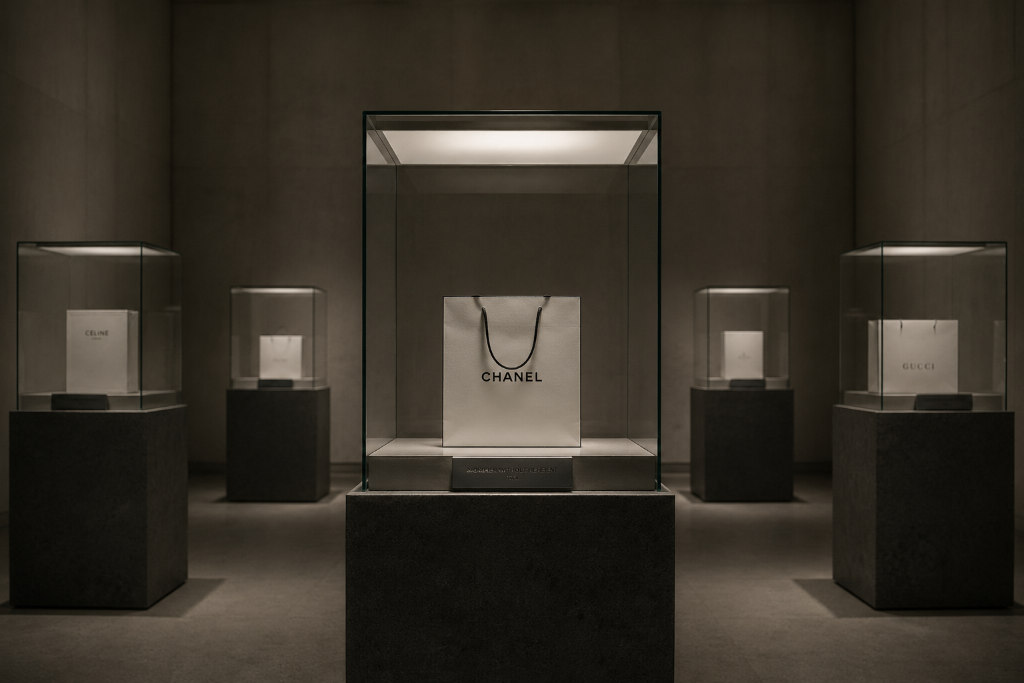
The Quiet Collapse of Standards
How the aesthetics of quality have been systematically decoupled from quality itself.
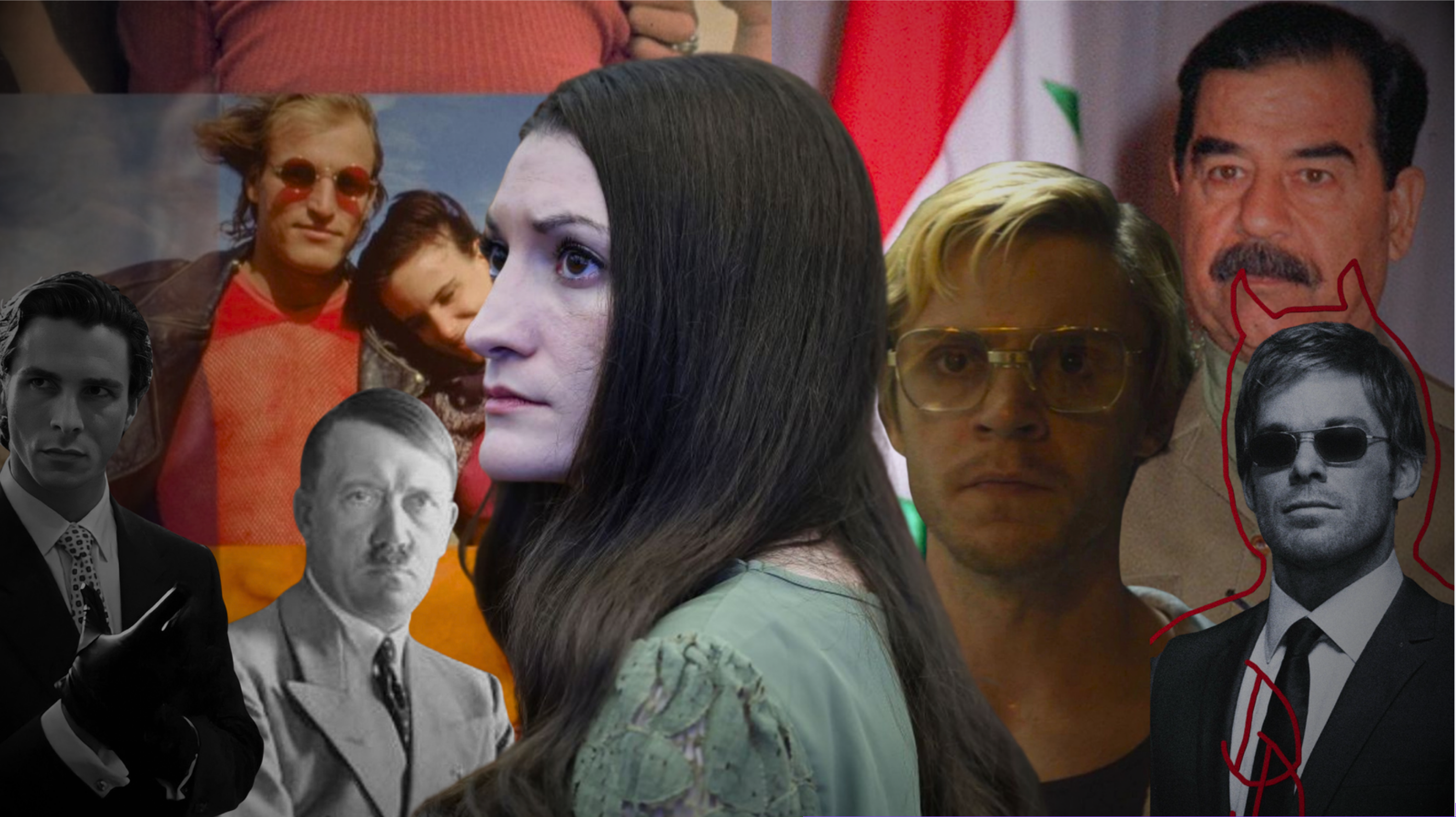
Lindsay Clancy: Same brain, different excuse.
I have an opinion that will probably piss off several completely different groups of people at the same time.

Borrowed Convictions
Most people's opinions were not formed. They were absorbed. And the mechanism of absorption has almost nothing to do with thought.
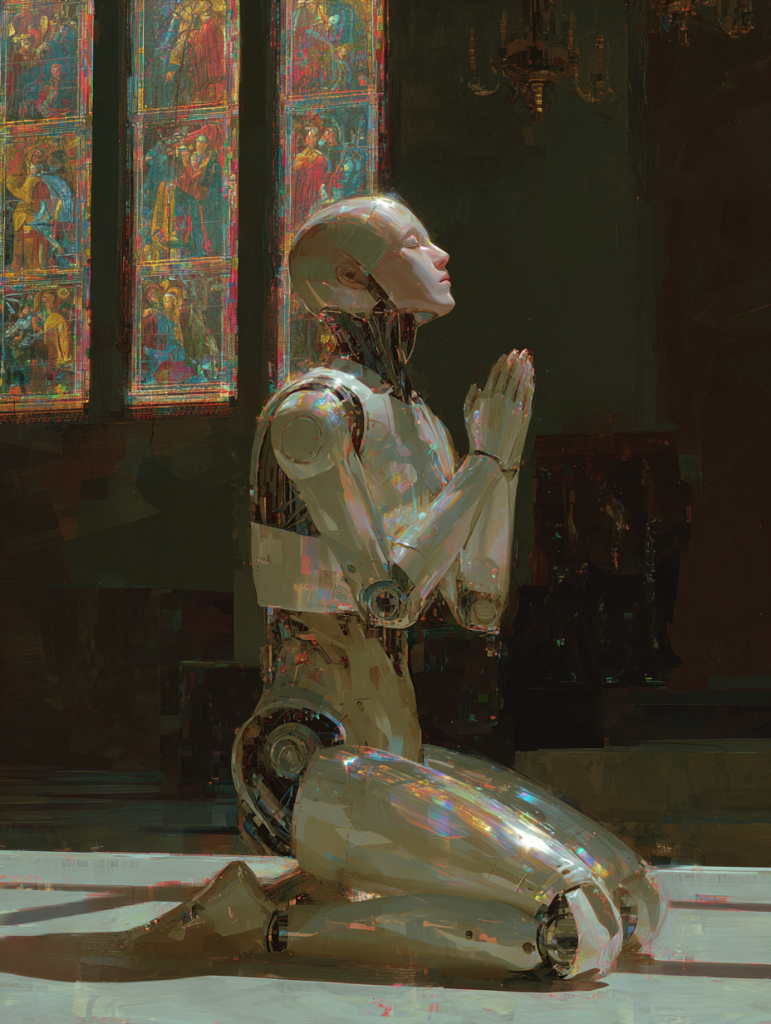
Bible Study
We were made to create. Then we did.
Brands as Psychological Structures
The strongest brands are not selling products. They are selling identity.
The Most Dangerous Advice Comes From People Who Love You
The people most likely to talk you out of your best idea are the ones sitting at your kitchen table.
AI Didn't Create Sameness. It Revealed It.
Every week, another article warns that artificial intelligence is making everything look the same. There's one problem with that argument.

The Ruthless Practice of Standing Alone
Most people are waiting. They don't call it waiting. But underneath the activity is a quiet belief that someone, eventually, is going to pull them forward. That belief is the thing holding them back.
Hiring as Prediction
Every hire is a bet on who someone will become inside your specific environment.
EXPLORE BY TOPIC
WEEKLY INTEL
Ideas from outside the obvious, in your inbox.